VigorHorse Official Website › Blog › Tribulus And Testosterone
Tribulus And The Testosterone Story
Tribulus terrestris is sold on a hormonal claim, and that claim has been tested directly. It did not survive. What did survive is a different and more interesting result, from a trial that used six tablets a day.
- One randomised, placebo-controlled trial reported improvement in erectile function and desire scores at 1,500 mg a day, taken as six 250 mg tablets.
- A separate controlled study tested the hormonal premise directly and found tribulus did not influence androgen production in young men.
- So whatever the positive trial found, the testosterone explanation printed on the boxes is not the mechanism behind it.
- A placebo-controlled trial at 800 mg a day did not reproduce the benefit, and the recent reviews read the literature as mixed.
- One published case report describes severe nephrotoxicity in a patient taking tribulus, which is worth knowing if you have kidney disease.
Where the testosterone story came from
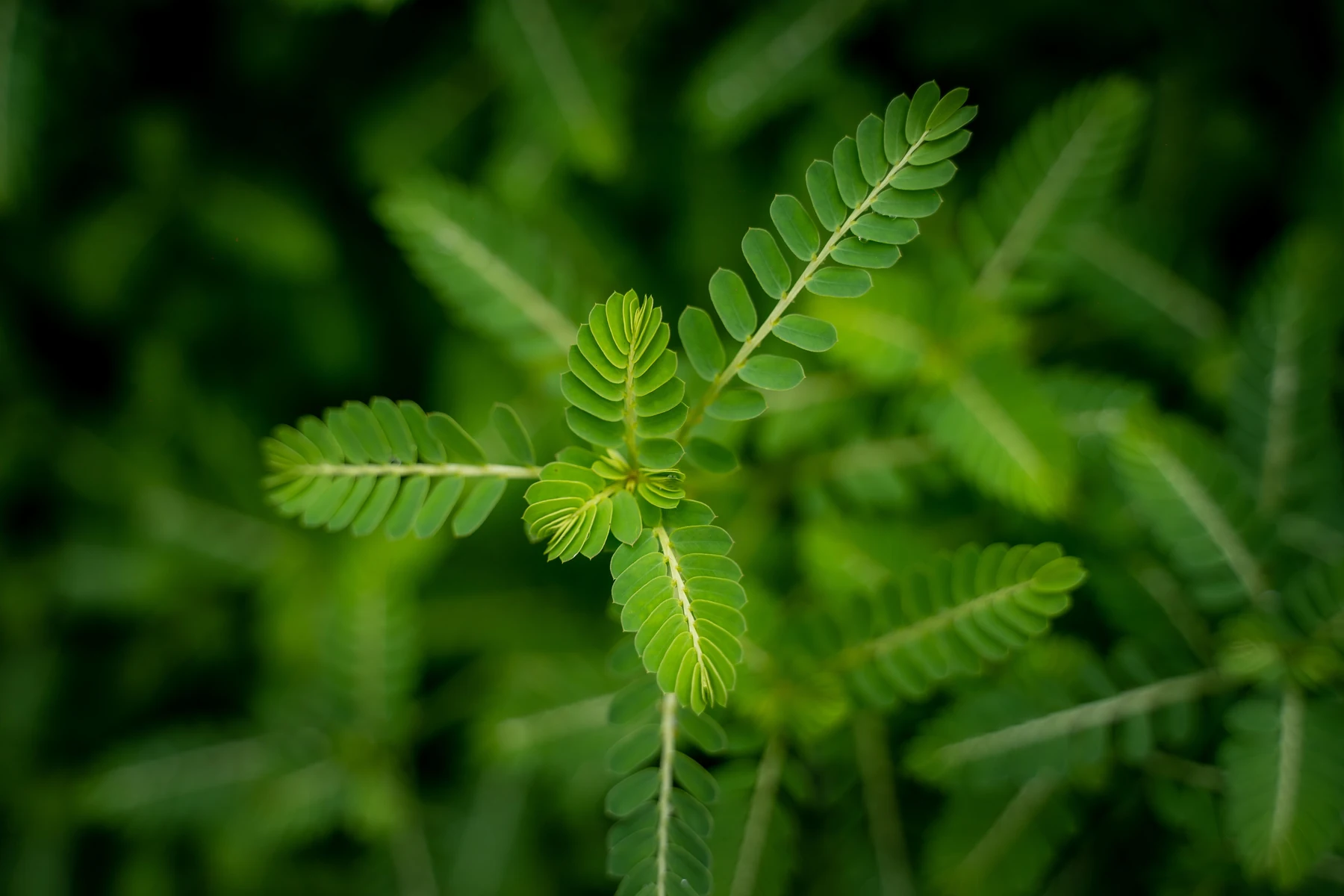
Tribulus terrestris is a low creeping plant with spiked fruit, used in several traditional systems and sold across the sports and vitality aisles on one particular promise: that it raises testosterone.
That promise has an origin. Early animal work and some in vitro findings suggested steroidal saponins in the plant might influence hormonal signalling, and the marketing moved considerably faster than the evidence did. By the time anybody tested the claim properly in humans, it was already printed on a great many boxes.
What makes tribulus unusually interesting is that both questions eventually got asked. Does it do anything, and does it do it the way the label says? The answers came back different from each other, which is rarer than it should be.
The trial that reported a result
Kamenov and colleagues ran a randomised, double-blind, placebo-controlled trial of tribulus terrestris and reported improvement over placebo in erectile function and in sexual desire scores.
That is a real trial with a real result, and it deserves to be taken seriously rather than explained away. It is also specific about what it cost: 1,500 mg a day, administered as six 250 mg tablets across the day, sustained over the trial period.
The detail about six tablets is not pedantry. It tells you the investigators were not able to deliver 1,500 mg in a single convenient serving, and it tells you the amount was the central variable rather than an afterthought.
| Study | Design | Daily amount | What it reported |
|---|---|---|---|
| Kamenov and colleagues | Randomised, double-blind, placebo-controlled | 1,500 mg, as six 250 mg tablets | Improvement in erectile function and sexual desire scores against placebo |
| Neychev and Mitev | Controlled, in young men | Lower, hormonal endpoints | No influence on androgen production |
| Santos and colleagues | Placebo-controlled | 800 mg | No significant benefit over placebo on the primary endpoint |
| Vilar Neto and colleagues | Review of supplementation trials | 400 to 750 mg across trials | Reads the literature as mixed rather than settled |
| Suharyani and colleagues | Meta-analysis | Pooled | Cautious about the size of any effect |
Two of these tested whether it works and disagreed. One tested why it would work and found the proposed mechanism absent.
The study that tested the premise
Here is where tribulus becomes an unusually clean example of the gap between a marketing claim and a tested one.
Neychev and Mitev set out to test the hormonal story directly in young men. Their conclusion is in the title of the paper: the aphrodisiac herb tribulus terrestris does not influence the androgen production status.
Read those two findings together and the position is genuinely interesting. One trial reports a subjective benefit. Another study reports that the hormone the benefit is attributed to did not move. Both can be true, and if they are, the explanation printed on the front of the packaging is wrong even where the product is working.
| What the marketing says | What was tested | What came back |
|---|---|---|
| Raises testosterone | Androgen production in young men, measured directly | No influence on androgen production |
| Traditional aphrodisiac | Erectile function and desire scores at 1,500 mg a day | Improvement against placebo in one trial |
| Works at any dose | 800 mg a day in a placebo-controlled trial | No significant benefit on the primary endpoint |
| Safe because natural | Case reporting | A published case of severe nephrotoxicity in a patient taking it |
The first row is the claim printed on most tribulus packaging, and it is the one row that was tested directly and did not survive.
The trial that did not reproduce it
A later placebo-controlled trial compared tribulus terrestris against placebo and did not find a significant benefit on its primary endpoint.
The dose is the obvious difference to look at. That trial ran at 800 mg a day, a little over half of what the positive trial used. Whether the shortfall explains the difference is not established, but it is the first thing anybody comparing the two would check.
This is the ordinary shape of a supplement literature: one encouraging trial, one that does not reproduce it, and a dose difference between them that nobody has resolved with a third trial designed to settle the question.
What the recent reviews conclude
A 2025 review of tribulus supplementation surveyed the available work and reads the evidence as mixed rather than settled. The 2026 meta-analysis is the most recent word, and it is cautious about the size of any effect.
Caution in a meta-analysis usually means one of two things: the trials are few and small, or they disagree. Here it means both. Pooling four small trials that used three different doses does not produce a confident answer, and neither review pretends otherwise.
What would actually settle it
The missing study is not complicated to describe. It would run tribulus against placebo at 1,500 mg a day, the amount that produced the positive result, in a group large enough to detect a modest effect, with a validated erectile function score as the primary endpoint and hormonal measures taken alongside it.
That design would answer both open questions at once: whether the Kamenov result reproduces, and if it does, whether anything hormonal accompanies it. Until somebody runs it, tribulus stays where it is, which is an ingredient with one good result, one failure to reproduce, and a mechanism that tested negative.
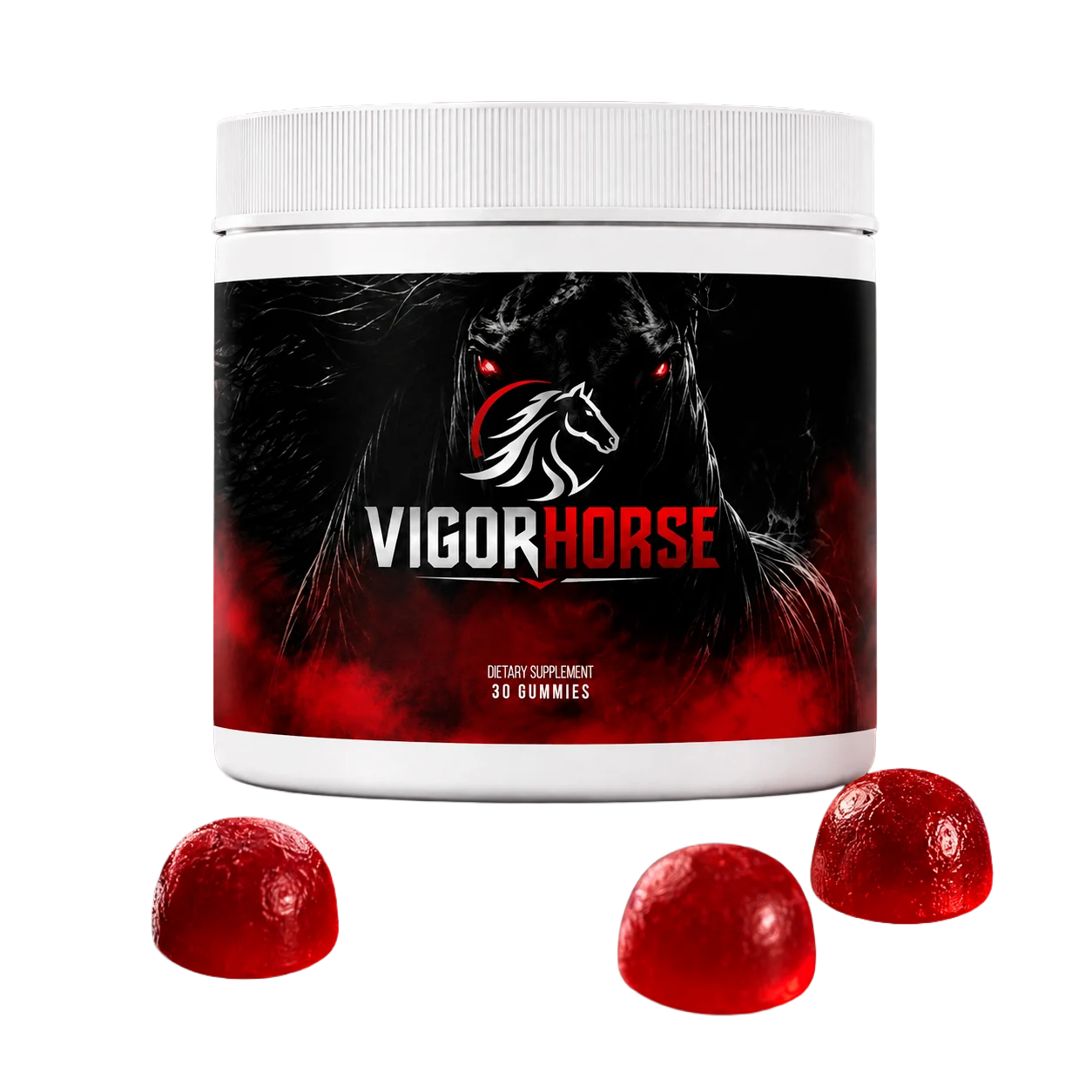
Where tribulus sits on the VigorHorse label
Eighth of 9 names on a single 82 mg blend line, with no amount of its own. The ingredients page sets it beside the 1,500 mg the trial used.
One bottle $89 · six bottles $294 · 60-day money-back guarantee
Order VigorHorse On The Official WebsiteOne gummy a day · 30 per jar · lot VIG-26/GO-6654
Six tablets a day, and what that means on a blend line
Tribulus is the eighth name on this jar’s blend line. That line totals 82 mg and carries 9 names, so tribulus cannot exceed 82 mg and is realistically a small fraction of it.
Set that against 1,500 mg. The positive trial's daily amount is more than eighteen times this jar's entire blend, before any of the other eight names are given anything at all. The trial needed six tablets to deliver it.
What follows is narrow and worth stating precisely. The Kamenov result is not evidence about a share of an 82 mg blend, and nobody reading it that way is reading it as its authors wrote it. That does not make the ingredient's presence dishonest. It makes the citation context rather than proof.
- 1,500 mg a day, as six tablets, is what produced the positive result.
- The whole blend on this label is 82 mg, shared by 9 names.
- 800 mg a day, roughly half the positive trial's dose, did not reproduce the benefit.
- The hormonal mechanism the packaging claims was tested separately and was not found.
One safety report worth knowing
Most of this post is about whether an ingredient works. One published report concerns something else.
Talasaz and colleagues describe severe nephrotoxicity in a patient taking tribulus terrestris. A single case report is not a population risk and should not be read as one. It is, however, the reason anybody with existing kidney disease should treat this particular ingredient as a conversation with their clinician rather than a purchase decision.
That is the only safety point in the tribulus literature that reaches this threshold, and it is stated here once. The full list of cautions for this product is on the side effects page.
What to take from all of this
Tribulus is the ingredient in this aisle that best illustrates why reading past the front of the box is worth the effort.
- The headline claim is the one that failed. Testosterone is what tribulus is sold on, and it is the specific thing a controlled study looked for and did not find.
- The surviving result is real and expensive. One good trial, at 1,500 mg a day, delivered as six tablets.
- The literature is genuinely unresolved. A second trial at a lower dose did not reproduce it, and two recent reviews decline to call it either way.
- Amount decides whether any of it applies. On a shared blend line at double-figure milligrams, none of the above transfers.
If tribulus specifically is what interests you, single-ingredient products exist at the trial dose, and the seven checks are quick to run on one.
References
- Kamenov Z, Fileva S, Kalinov K, et al. Evaluation of the efficacy and safety of Tribulus terrestris in male sexual dysfunction - A prospective, randomized, double-blind, placebo-controlled clinical trial. Maturitas. 2017;99:20-26. PMID 28364864. https://pubmed.ncbi.nlm.nih.gov/28364864/
- Neychev VK, Mitev VI. The aphrodisiac herb Tribulus terrestris does not influence the androgen production in young men. J Ethnopharmacol. 2005;101(1-3):319-23. PMID 15994038. https://pubmed.ncbi.nlm.nih.gov/15994038/
- Santos CA Jr, Reis LO, Destro-Saade R, et al. Tribulus terrestris versus placebo in the treatment of erectile dysfunction: A prospective, randomized, double blind study. Actas Urol Esp. 2014;38(4):244-8. PMID 24630840. https://pubmed.ncbi.nlm.nih.gov/24630840/
- Vilar Neto JO, de Moraes WMAM, Pinto DV, et al. Effects of Tribulus (Tribulus terrestris L.) Supplementation on Erectile Dysfunction and Testosterone Levels in Men - A Systematic Review of Clinical Trials. Nutrients. 2025;17(7):1275. PMID 40219032. https://pubmed.ncbi.nlm.nih.gov/40219032/
- Suharyani S, Amanda B, Angellee J, et al. Tribulus terrestris for management of patients with erectile dysfunction: a systematic review and meta-analysis of randomized trials. Int J Impot Res. 2026;38(1):11-18. PMID 40360723. https://pubmed.ncbi.nlm.nih.gov/40360723/
- Talasaz AH, Abbasi MR, Abkhiz S, et al. Tribulus terrestris-induced severe nephrotoxicity in a young healthy male. Nephrol Dial Transplant. 2010;25(11):3792-3. PMID 20667992. https://pubmed.ncbi.nlm.nih.gov/20667992/