VigorHorse Official Website › Choosing A Supplement
Choosing A SupplementChoosing A Male Vitality Supplement: Seven Checks
Seven questions will separate most products in this aisle, and you can answer all seven from a label and a website in about ten minutes. They cover amounts, doses, plant parts, the seller's own citations, independent testing, the refund route, and what a daily serving costs you besides money. The last section runs all seven against this product.
A scorecard you can carry to any jar, including this one.
Why seven questions beat reading the front of the box
What a scorecard is for, and why these seven.
The front of a male vitality box is legally constrained to say almost nothing, so every box says the same thing. Comparing two products on their front panels is comparing two copies of the same sentence.
Everything that distinguishes one product from another is on the back of the jar and on the seller's website, and it is mostly numeric. The checks below are ordered by how much they tell you per minute spent. The first two will resolve most comparisons on their own.
Each check is written so that the answer is yes or no rather than a judgement. That is deliberate. A scorecard that requires you to already know the literature is not a scorecard, it is a quiz.
Check one: is there an amount against every active?
The first thing to look at, and the one that determines whether you can run the second.
Turn the jar over and look at the Supplement Facts panel. Every active should have a milligram figure on its own line. If instead there is a single line reading “Proprietary Blend” with one total and a list of names underneath it, the total is a ceiling shared by everything named.
A proprietary blend is legal and common, and it is not automatically a trick. A small blend total is the problem, because it caps every name at once. Nine names under an 82 mg blend means no single one of them can exceed 82 mg, and realistically each is a fraction of it.
What to do with the answer: if there is no per-ingredient amount, you cannot run check two, and check two is the one that decides whether the product can work. A blend line does not merely withhold information. It makes the most important question unanswerable.
Check two: does that amount reach the dose the research used?
The arithmetic that decides most of these purchases.
This is the check that decides the purchase, and the table above is all you need to run it for the seven ingredients that dominate the aisle.
The arithmetic is unforgiving because trial doses in this category are large. Ashwagandha's fertility result took 675 mg a day for ninety days. Maca's desire result took between one and a half and three grams a day for twelve weeks. Tribulus's one positive trial was six tablets a day. These are not amounts that fit inside a shared blend line alongside eight other names.
A label can pass check one and still fail check two, and that combination is common: every amount printed, honestly, and every amount an order of magnitude below the research it is borrowing its reputation from.
What to do with the answer: a product that fails check two is not necessarily worthless, but it is not doing what its citations imply. Judge it on the ingredients whose amounts do reach, if any, and disregard the rest of the reference list.
| Ingredient | Smallest daily amount with a controlled human result | Trial length |
|---|---|---|
| Ashwagandha root extract | 675 mg | 90 days |
| Maca root | 1,500 mg | 12 weeks |
| Tribulus terrestris | 1,500 mg, as six tablets | 12 weeks |
| L-arginine | 1,500 mg, as the meta-analysis floor | Pooled |
| Icariin / horny goat weed | No human trial for this use | — |
| Muira puama | No controlled trial in men | — |
| Catuaba | No human trial at all | — |
Set the label's figure beside the row. If the label's figure is a small fraction of the trial amount, the trial is not evidence about the jar in your hand.
Check three: is the plant part and the extract strength named?
Genus, species, plant part and extract ratio are four different pieces of information.
Botanical rows should say which part of the plant was used and how concentrated the extract is. “Ashwagandha root extract” is a different ingredient from “ashwagandha”, and a 10:1 extract is a different ingredient again from a raw powder at the same milligram weight.
This matters because the trials specify it. Ashwagandha's results come from root extract. Nettle's urinary results, in the neighbouring aisle, come from root rather than leaf. Muira puama's traditional preparation uses root and bark. A label naming only the genus has left the most consequential variable open.
Catuaba is the extreme case and the reason this check exists at all. Several distinct plants are sold under that one trade name, and an analysis of fourteen commercial samples found most were not the botanical their labels claimed. On that ingredient, naming the species is the whole of the question.
What to do with the answer: treat an unnamed plant part as an unanswered question rather than a red flag. Plenty of sound products are vague here. It simply means you cannot map the row onto a trial.
Check four: does the seller's reference list survive being opened?
Open three citations at random. It takes three minutes and it tests the seller, not the formula.
This is the check almost nobody runs and it is the most revealing one in the set, because it tests the seller rather than the formula.
Scroll to the bottom of any sales page in this aisle and you will usually find a numbered list of studies. Open three of them at random. A PubMed identifier resolves in one click, so checking whether reference eight is the paper reference eight claims to be takes under a minute each.
What you are looking for is not a disagreement about interpretation. It is whether the identifier points at the named paper at all. A reference list carrying identifiers that resolve to unrelated articles was assembled by somebody who did not open them, and that tells you how the rest of the page was assembled too.
What to do with the answer: a list that checks out earns the rest of the page a degree of trust. A list that does not means every factual claim on that page needs independent confirmation before you rely on it, which in practice means the page is worth nothing to you as a source.
Check five: is there independent testing, or only a lot number?
A lot code is paperwork. A laboratory report with a date is evidence.
Almost every product in this aisle will show you a lot code and a certificate reference. Those are filing references. They tell you the batch has paperwork, which is a manufacturing requirement rather than an achievement.
What you are actually looking for is different: a named third-party laboratory, a report you can read, and a date. Identity testing confirms the plant is the plant. Purity testing covers heavy metals and microbial limits. For this category specifically, screening for undeclared pharmaceutical ingredients is the test that matters most, given the documented record of adulteration in products sold as herbal.
Seals are not tests. A Good Manufacturing Practice mark describes how a facility documents its process. An FDA-registered-facility line means the regulator knows the factory exists. Neither is a measurement of the contents of your jar, and no dietary supplement is FDA-approved.
What to do with the answer: most products fail this check, so it rarely separates two candidates. It becomes decisive when one of them passes.
Check six: is there a refund route with a person behind it?
Days, start date, telephone number, and who pays the return postage.
The commercial check, and the one that determines what a mistake costs you.
Look for four things: a stated number of days, a starting point for the clock, a telephone number that a human answers, and a written returns procedure that names who pays the postage. A guarantee that says “money back” and nothing else has given you no information.
The clock's starting point is the detail that catches people. A sixty-day window running from the date of purchase behaves very differently from sixty days running from delivery, and a six-month supply bought under a sixty-day window means four of those months fall outside it. That is not a trick, but it is arithmetic worth doing before the larger pack looks like the obvious saving.
What to do with the answer: this check should influence which pack size you buy at least as much as which product you buy.
Check seven: what does a daily serving cost you besides money?
Sugar, caffeine and interactions, on a product taken every day for months.
Every serving carries things that are not the active ingredients, and on a product taken every day for months those add up in a way a single serving disguises.
On chewable and gummy formats, added sugar is the item to read. Three grams a day sounds trivial and is 90 grams a month. The 2021 American Heart Association guidance and the cohort work on added sugar and cardiovascular mortality are the context for whether that matters to you.
Caffeine is the second. It is easy to place: up to 400 mg a day is the figure usually cited for healthy adults, and a 5 oz cup of ground roasted coffee is about 85 mg. A small caffeine row is genuinely small, and it is still worth knowing it is there if you are sensitive or you take the product in the evening.
Third, interactions. Read the cautions for anything you already take. Arginine lowers blood pressure in pooled analysis. Green tea extract and ashwagandha both have published liver case reports at high intakes. None of that makes a product unsafe; it makes the caution line worth reading once rather than never.
What to do with the answer: this check almost never rules a product out. It changes how you take it.
The seven checks run against VigorHorse
Four failures, one partial and two passes, with the failures stated first.
Running a scorecard and then exempting the product beside it would make the previous seven sections decoration, so here is the same seven applied to this jar, with the failures first.
Checks one and two fail together and they fail for the same reason. The panel carries a single active line reading Proprietary Blend at 82 mg, with 9 names beneath it and no amount against any of them. That 82 mg is a ceiling for all 9 at once. Set it beside the trial doses in check two and the comparison finishes itself: 675 mg of ashwagandha, on its own, is a little over eight times the entire blend.
Check four fails on the seller's own sales page rather than on the product. Read on 19 September 2026, that page carried twelve numbered references. Three print an identifier belonging to a different article, and a fourth carries no identifier at all and is marked as being under review. The urologist's guide it names in reference eight and the aphrodisiacs review it names in reference nine are both real papers with correct identifiers of their own, which is how the mismatch was found.
Check five fails the way almost every product in this aisle fails it. Check three is a partial: the panel names extracts and the seller's material names plant parts, but no extract ratio is given anywhere, so the rows still cannot be mapped onto a trial.
Checks six and seven pass, and neither is a formality. Sixty days from the date of purchase with a published returns procedure and a staffed order desk is a better refund position than much of this shelf offers. And printing a real Supplement Facts panel, with the caffeine broken out and the added sugar stated, puts VigorHorse ahead of the products in this category that publish no panel at all.
| Check | VigorHorse | Result |
|---|---|---|
| 1. An amount against every active | One blend line, 82 mg, carrying 9 names. Only the 5 mg of caffeine is broken out | Fail |
| 2. Amounts reaching the research doses | The whole blend is 82 mg. The smallest single-ingredient trial dose among the 9 is 675 mg of ashwagandha | Fail |
| 3. Plant part and extract strength named | The panel names extracts rather than raw powders and the marketing names several parts. No extract ratio appears anywhere | Partial |
| 4. The seller's citations resolve | Three of the twelve references on the seller's own page carry an identifier belonging to a different paper, and a fourth carries none | Fail |
| 5. Independent testing | Lot VIG-26/GO-6654 and certificate VIG-6654-26-GO are filing references. No third-party report is offered | Fail |
| 6. A refund route with a person behind it | 60 days from the date of purchase, a published five-step procedure, and an order desk on +1 (302) 200-3480 | Pass |
| 7. What a daily serving costs besides money | 5 mg caffeine, 3 g added sugar and 10 calories, all three printed on the panel | Pass |
Two passes, one partial and four failures. Check six is a genuine strength and check seven is only a pass because the panel prints the numbers rather than hiding them.
What to do with a product that fails four checks
What four failures do and do not tell a buyer.
The answer is not automatically to walk away, and pretending otherwise on a page that sells the jar would be its own kind of dishonesty.
What four failures mean precisely is this: the research on the nine names cannot be used as a prediction about this jar. Whatever this product does for the people who reorder it, it is not doing it by delivering the doses those trials used, because the arithmetic rules that out. So the citations are context for the ingredients rather than evidence about the serving.
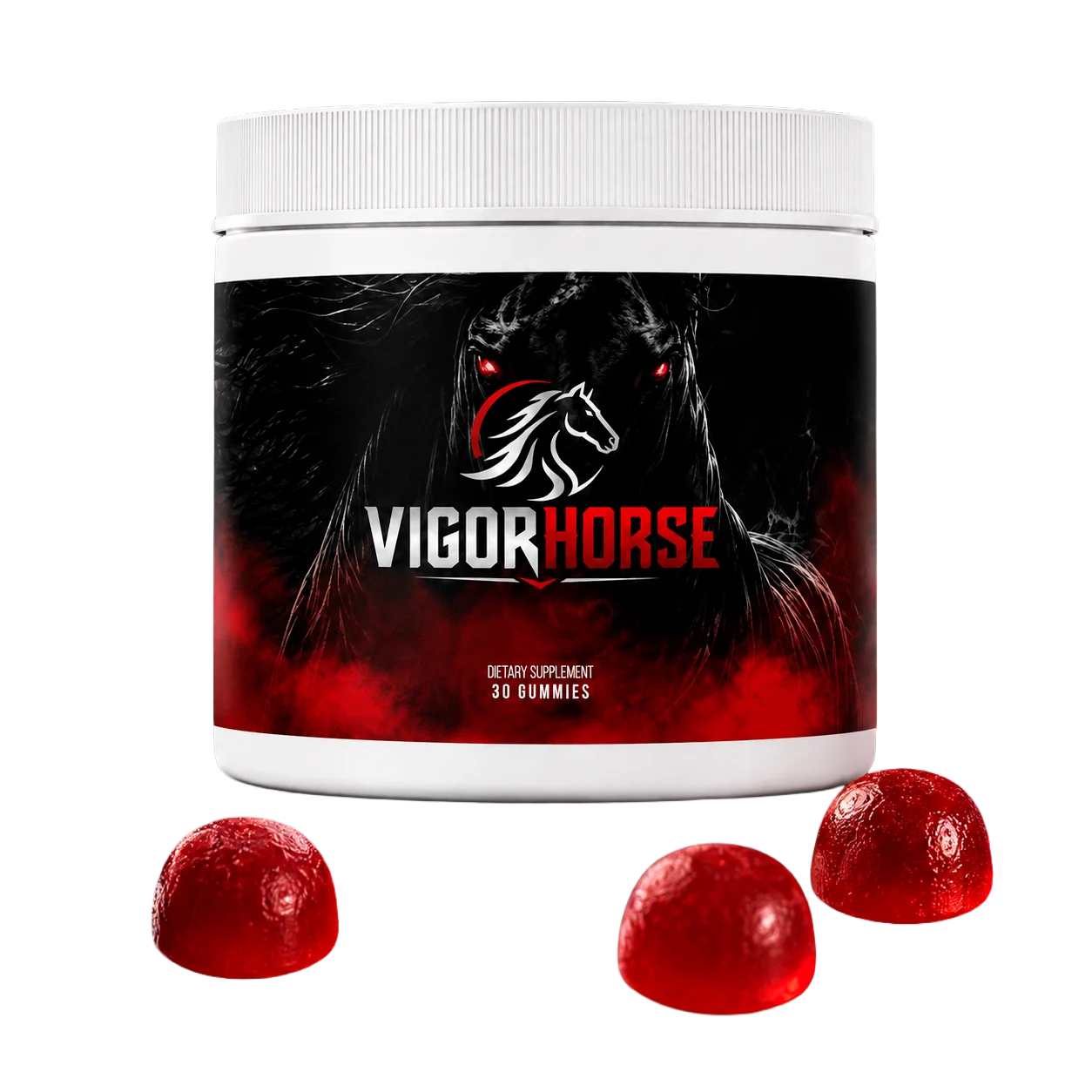
What remains is what the panel prints and what the desk offers. A daily gummy at 5 mg of caffeine and 3 g of added sugar, 30 to a jar, with 60 days from purchase to return it. A buyer who wants a small daily habit and has read check two knows exactly what they are buying and what they are not. That is a defensible purchase. A buyer expecting the ashwagandha trial result is buying something this label cannot supply, and check two is where that should have become clear.
The one substitution worth naming: if a specific ingredient on this page interested you, single-ingredient products exist at the trial doses, and check two is easy to run on those.
The seven checks in one block
Seven questions, roughly ten minutes, any product in the aisle.
- Is there a milligram figure against every active, or one blend total shared by a list of names?
- Does each figure reach the daily amount the trials used, which in this category starts at 675 mg for a single ingredient?
- Is the plant part named, and the extract ratio with it?
- Open three of the seller's citations at random. Do the identifiers resolve to the papers they name?
- Is there a named third-party laboratory and a readable report, or only a lot code and a seal?
- How many days, counted from what, with what telephone number and whose postage?
- What does one daily serving carry besides the actives, in sugar, caffeine and calories?
Who publishes these VigorHorse checks, and what they cite
The scorecard rows above are drawn from the label artwork and the seller's own page, both read on 19 September 2026.
- Ambiye VR, Langade D, Dongre S, et al. Clinical Evaluation of the Spermatogenic Activity of the Root Extract of Ashwagandha (Withania somnifera) in Oligospermic Males: A Pilot Study. Evid Based Complement Alternat Med. 2013;2013:571420. PMID 24371462. https://pubmed.ncbi.nlm.nih.gov/24371462/
- Gonzales GF, Cordova A, Vega K, et al. Effect of Lepidium meyenii (MACA) on sexual desire and its absent relationship with serum testosterone levels in adult healthy men. Andrologia. 2002;34(6):367-72. PMID 12472620. https://pubmed.ncbi.nlm.nih.gov/12472620/
- Kamenov Z, Fileva S, Kalinov K, et al. Evaluation of the efficacy and safety of Tribulus terrestris in male sexual dysfunction - A prospective, randomized, double-blind, placebo-controlled clinical trial. Maturitas. 2017;99:20-26. PMID 28364864. https://pubmed.ncbi.nlm.nih.gov/28364864/
- Rhim HC, Kim MS, Park YJ, et al. The Potential Role of Arginine Supplements on Erectile Dysfunction: A Systemic Review and Meta-Analysis. J Sex Med. 2019;16(2):223-234. PMID 30770070. https://pubmed.ncbi.nlm.nih.gov/30770070/
- Dell'Agli M, Galli GV, Dal Cero E, et al. Potent inhibition of human phosphodiesterase-5 by icariin derivatives. J Nat Prod. 2008;71(9):1513-7. PMID 18778098. https://pubmed.ncbi.nlm.nih.gov/18778098/
- Waynberg J, Brewer S. Effects of Herbal vX on libido and sexual activity in premenopausal and postmenopausal women. Adv Ther. 2000;17(5):255-62. PMID 11186145. https://pubmed.ncbi.nlm.nih.gov/11186145/
- Kletter C, Glasl S, Presser A, et al. Morphological, chemical and functional analysis of catuaba preparations. Planta Med. 2004;70(10):993-1000. PMID 15490329. https://pubmed.ncbi.nlm.nih.gov/15490329/
- Cui T, Kovell RC, Brooks DC, et al. A Urologist's Guide to Ingredients Found in Top-Selling Nutraceuticals for Men's Sexual Health. J Sex Med. 2015;12(11):2105-17. PMID 26531010. https://pubmed.ncbi.nlm.nih.gov/26531010/
- Srivatsav A, Balasubramanian A, Pathak UI, et al. Efficacy and Safety of Common Ingredients in Aphrodisiacs Used for Erectile Dysfunction: A Review. Sex Med Rev. 2020;8(3):431-442. PMID 32139335. https://pubmed.ncbi.nlm.nih.gov/32139335/
- Campbell N, Clark JP, Stecher VJ, et al. Adulteration of purported herbal and natural sexual performance enhancement dietary supplements with synthetic phosphodiesterase type 5 inhibitors. J Sex Med. 2013;10(7):1842-9. PMID 23634714. https://pubmed.ncbi.nlm.nih.gov/23634714/
- Jairoun AA, Al-Hemyari SS, Shahwan M, et al. Screening and Determination of Synthetic PDE-5 Inhibitors in Adulterated Sexual Enhancement Supplements. Molecules. 2022;27(19):6604. PMID 36235271. https://pubmed.ncbi.nlm.nih.gov/36235271/
- Tucker J, Fischer T, Upjohn L, et al. Unapproved Pharmaceutical Ingredients Included in Dietary Supplements Associated With US Food and Drug Administration Warnings. JAMA Netw Open. 2018;1(6):e183337. PMID 30646238. https://pubmed.ncbi.nlm.nih.gov/30646238/
- Nawrot P, Jordan S, Eastwood J, et al. Effects of caffeine on human health. Food Addit Contam. 2003;20(1):1-30. PMID 12519715. https://pubmed.ncbi.nlm.nih.gov/12519715/
- Barone JJ, Roberts HR. Caffeine consumption. Food Chem Toxicol. 1996;34(1):119-29. PMID 8603790. https://pubmed.ncbi.nlm.nih.gov/8603790/
- Lichtenstein AH, Appel LJ, Vadiveloo M, et al. 2021 Dietary Guidance to Improve Cardiovascular Health: A Scientific Statement From the American Heart Association. Circulation. 2021;144(23):e472-e487. PMID 34724806. https://pubmed.ncbi.nlm.nih.gov/34724806/
- Yang Q, Zhang Z, Gregg EW, et al. Added sugar intake and cardiovascular diseases mortality among US adults. JAMA Intern Med. 2014;174(4):516-24. PMID 24493081. https://pubmed.ncbi.nlm.nih.gov/24493081/
- Dong JY, Qin LQ, Zhang Z, et al. Effect of oral L-arginine supplementation on blood pressure: a meta-analysis of randomized, double-blind, placebo-controlled trials. Am Heart J. 2011;162(6):959-65. PMID 22137067. https://pubmed.ncbi.nlm.nih.gov/22137067/
- Oketch-Rabah HA, Roe AL, Rider CV, et al. United States Pharmacopeia (USP) comprehensive review of the hepatotoxicity of green tea extracts. Toxicol Rep. 2020;7:386-402. PMID 32140423. https://pubmed.ncbi.nlm.nih.gov/32140423/
- LiverTox: Clinical and Research Information on Drug-Induced Liver Injury. Ashwagandha. National Institute of Diabetes and Digestive and Kidney Diseases. https://www.ncbi.nlm.nih.gov/books/NBK548536/
- National Center for Complementary and Integrative Health. Dietary and Herbal Supplements. https://www.nccih.nih.gov/health/dietary-and-herbal-supplements
You have the seven checks and VigorHorse's answers to them
Two passes, one partial and four failures, stated in full above. 60 days from the date of purchase if you decide it was the wrong call.
One bottle $89 · six bottles $294 · 60-day money-back guarantee
Order VigorHorse On The Official WebsiteOne gummy a day · 30 per jar · lot VIG-26/GO-6654