VigorHorse Official Website › Ingredients
IngredientsVigorHorse Ingredients
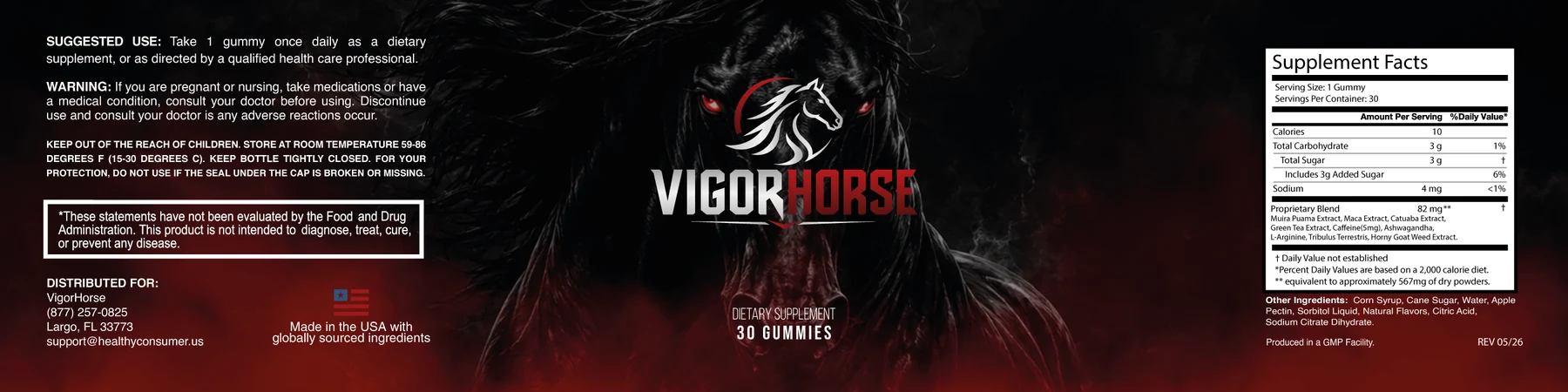
Nine names are printed under one line on the VigorHorse panel, and that line reads “Proprietary Blend 82 mg”. Muira puama, maca, catuaba, green tea, caffeine, ashwagandha, L-arginine, tribulus and horny goat weed share it. Caffeine is broken out at 5 mg a gummy. The other eight have no amount of their own, so 82 mg is the ceiling for all of them together.
Every name on the blend line, what it is, and the amount its research used.
What does the VigorHorse blend line actually print?
Nine entries, one total, and the single amount the panel breaks out.
| Position | Name, in label order | Amount printed beside it |
|---|---|---|
| 1 | Muira Puama Extract | None of its own |
| 2 | Maca Extract | None of its own |
| 3 | Catuaba Extract | None of its own |
| 4 | Green Tea Extract | None of its own |
| 5 | Caffeine (5 mg) | 5 mg |
| 6 | Ashwagandha | None of its own |
| 7 | L-Arginine | None of its own |
| 8 | Tribulus Terrestris | None of its own |
| 9 | Horny Goat Weed Extract | None of its own |
The blend line carries a footnote of its own: equivalent to approximately 567 mg of dry powders. That figure describes the plant material before extraction, not a second dose.
What are the nine names on the VigorHorse blend line?
Nine cards, in label order, each with the research amount beside it.
Each card carries what the name is, what the published trials of it used, and what that means when nine of them divide one total. The order is the panel's own.
Muira Puama Extract
Ptychopetalum olacoides, root and barkFirst name under the 82 mg line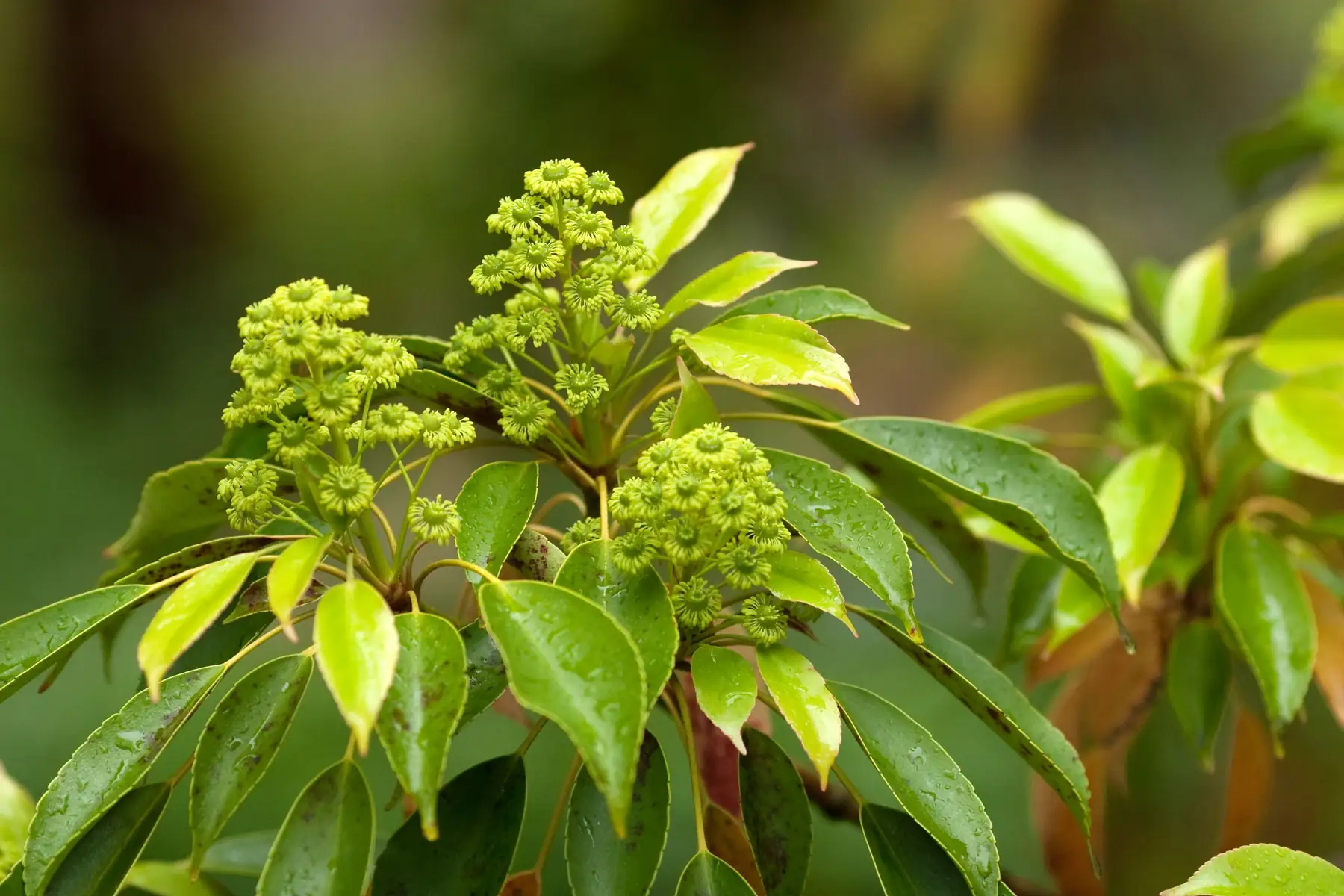
An Amazonian timber traded in Europe since the nineteenth century as a tonic. The chemical survey of the root finds sterols, coumarin and long-chain esters, so there is real material in it to study. The one human study in PubMed was an open-label questionnaire in 202 women, given a muira puama and ginkgo combination, by an author who wrote that a controlled trial was still to come.
Maca Extract
Lepidium meyenii, rootInside the 82 mg line; trials ran 1,500–3,000 mg
A Peruvian brassica root, eaten as food at altitude and the best-studied name on this line for the thing the jar is sold for. The 2002 dose-ranging trial gave healthy adult men 1,500 mg or 3,000 mg a day for twelve weeks and reported higher self-rated desire from week eight, with serum testosterone unchanged, which the authors made a point of. A later systematic review called the evidence suggestive and limited. Every one of those studies used at least eighteen times the whole blend here.
Catuaba Extract
no species printed on the labelInside the 82 mg line; no human trial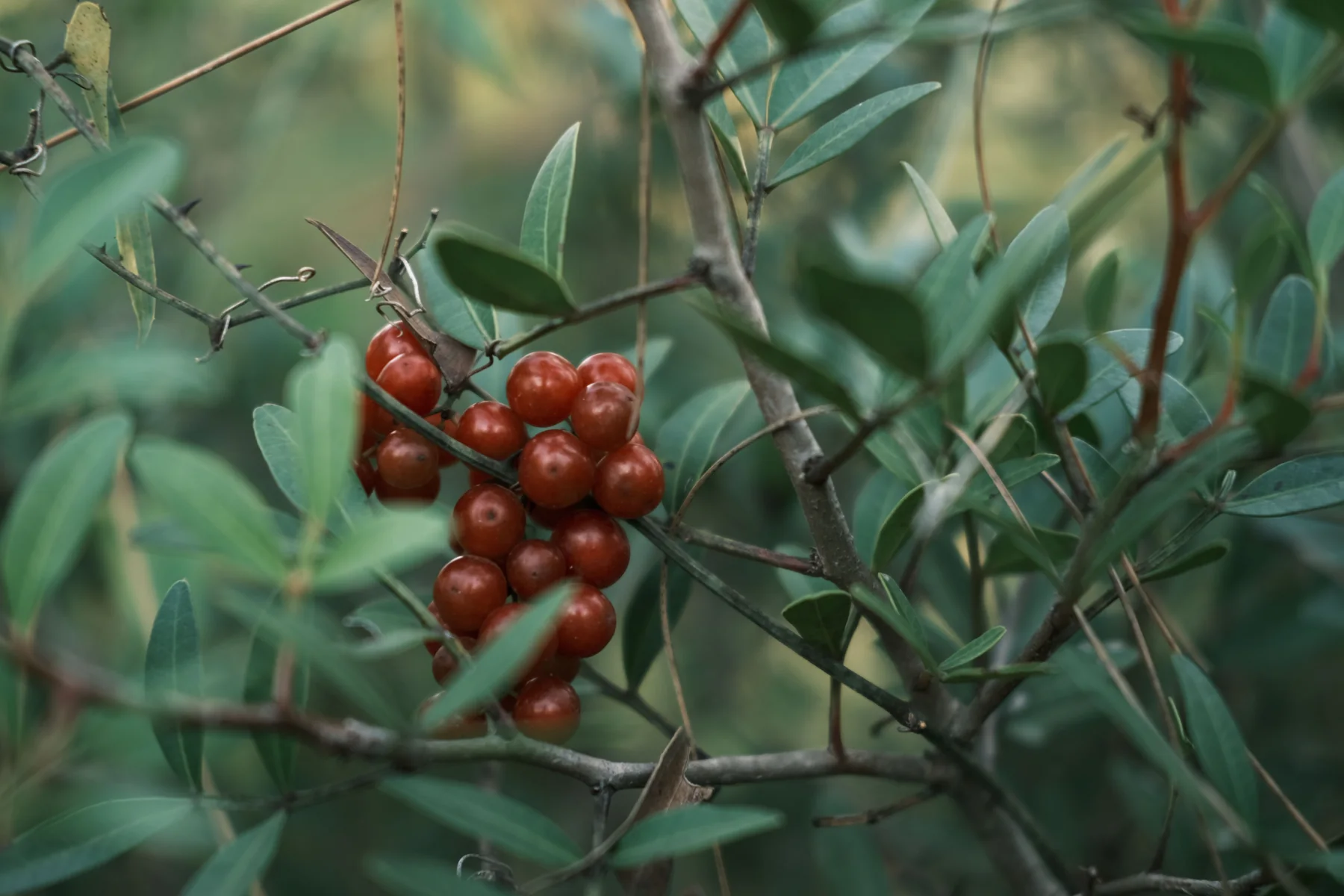
Catuaba is a trade name in Brazil rather than a single plant, and the label does not say which one arrived. That matters more here than it would elsewhere: when a Vienna team analysed fourteen commercial catuaba preparations, a minority contained the drug their own label named, more than half carried a different crude drug altogether, and none of the extracts relaxed rabbit tissue in a dish. The one experiment that did relax that tissue used Catuama, a four-herb Brazilian medicine, not catuaba alone.
Green Tea Extract
Camellia sinensis, leafInside the 82 mg line; the caffeine beside it is 5 mgThe only name on the line that is here for two reasons at once: it carries catechins, and it carries the caffeine that the next row breaks out. Because the blend total is small, the interesting question is safety rather than effect, and that question has an answer. The United States Pharmacopeia review collected the liver-injury reports and found them clustered between roughly 140 mg and 1,000 mg of EGCG a day, usually from concentrated extracts taken on an empty stomach. An 82 mg blend shared nine ways cannot reach the bottom of that range.
Caffeine (5 mg)
broken out on the panel5 mg a gummy, the one printed amountThis is the row that makes the whole panel worth reading. Five milligrams is a real number attached to a real compound, and it can be compared with something everybody already has a feel for: a five-ounce cup of ground roasted coffee is about 85 mg, so one gummy is roughly a seventeenth of a cup. The review behind the familiar 400 mg a day figure puts a daily gummy about eighty times under it. Anyone who has given caffeine up entirely should still know the number is there rather than discover it.
Ashwagandha
Withania somnifera, root extract on the trial evidenceInside the 82 mg line; trials ran 240–675 mg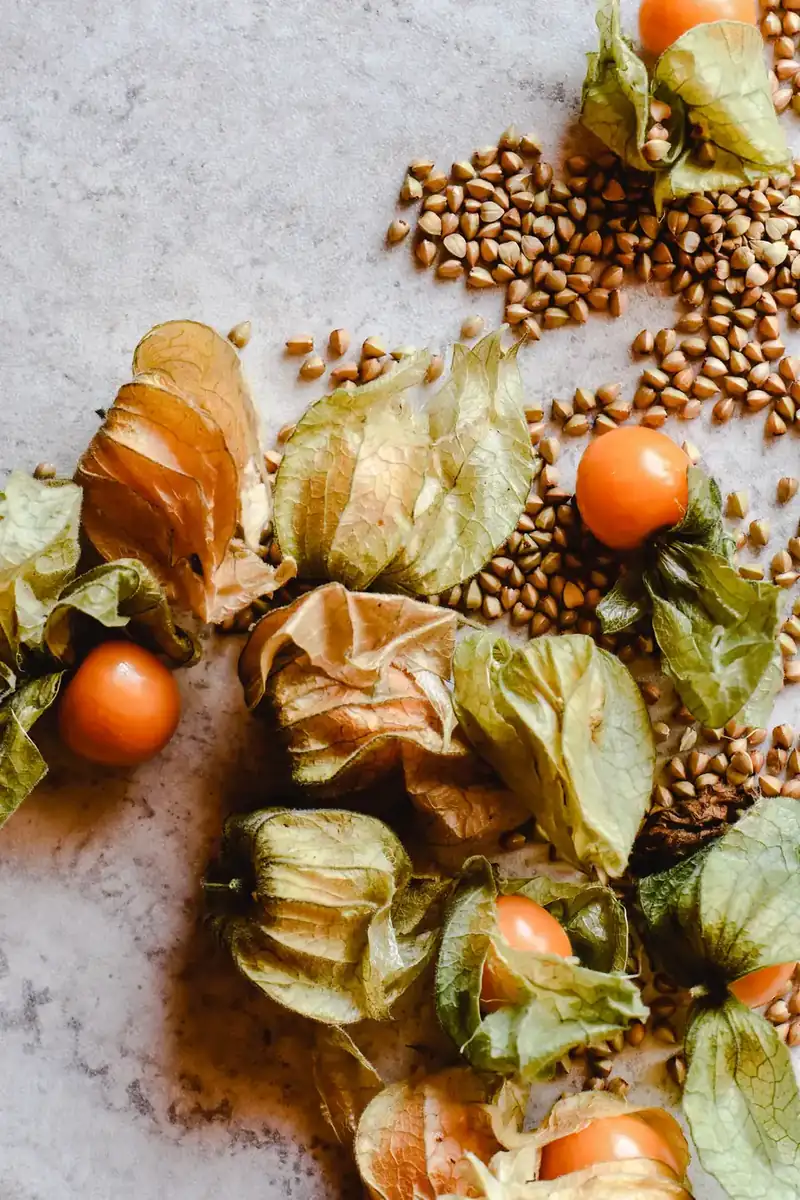
The name on this line with the largest modern trial record, and the one whose numbers are easiest to check. The fertility pilot gave 675 mg a day of root extract for ninety days; the stress trial used 240 mg a day for sixty. The 2024 meta-analysis pools that literature and reports a consistent effect on stress scores at those amounts. Six hundred and seventy-five milligrams is eight times this entire blend, which is the clearest way to see what a shared total costs.
L-Arginine
an amino acid, not a botanicalInside the 82 mg line; the trial used 5,000 mg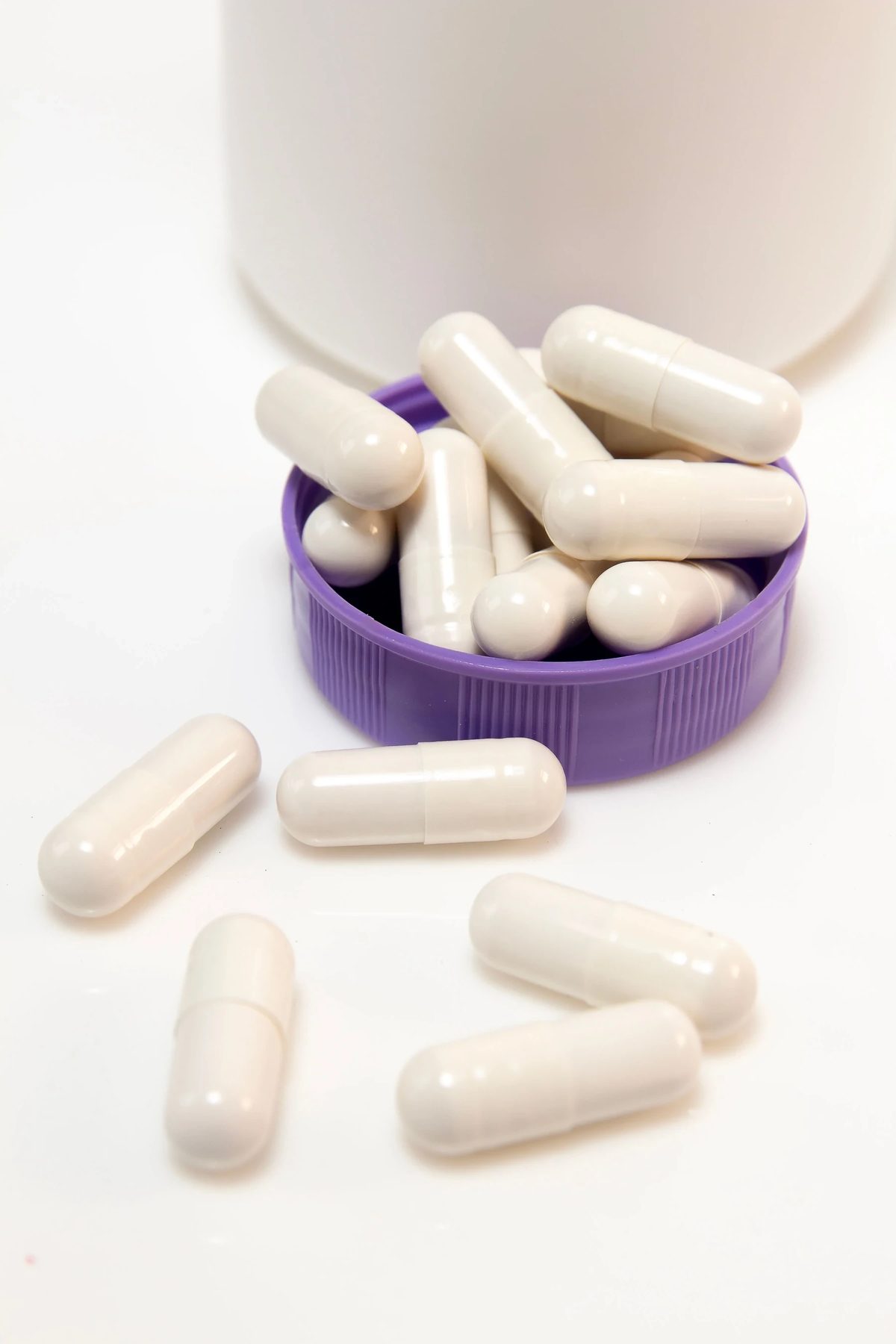
A conditionally essential amino acid and the substrate the body turns into nitric oxide, which is the reason it appears on labels in this category at all. The trial usually cited for it gave 5 g a day for six weeks, and the meta-analysis that followed found an effect only in the 1,500 mg to 5,000 mg band. Ordinary food supplies several grams a day, so the arithmetic here is unusually stark: a chicken breast carries more arginine than the whole jar.
Tribulus Terrestris
Tribulus terrestris, aerial parts or fruitInside the 82 mg line; the positive trial used 1,500 mg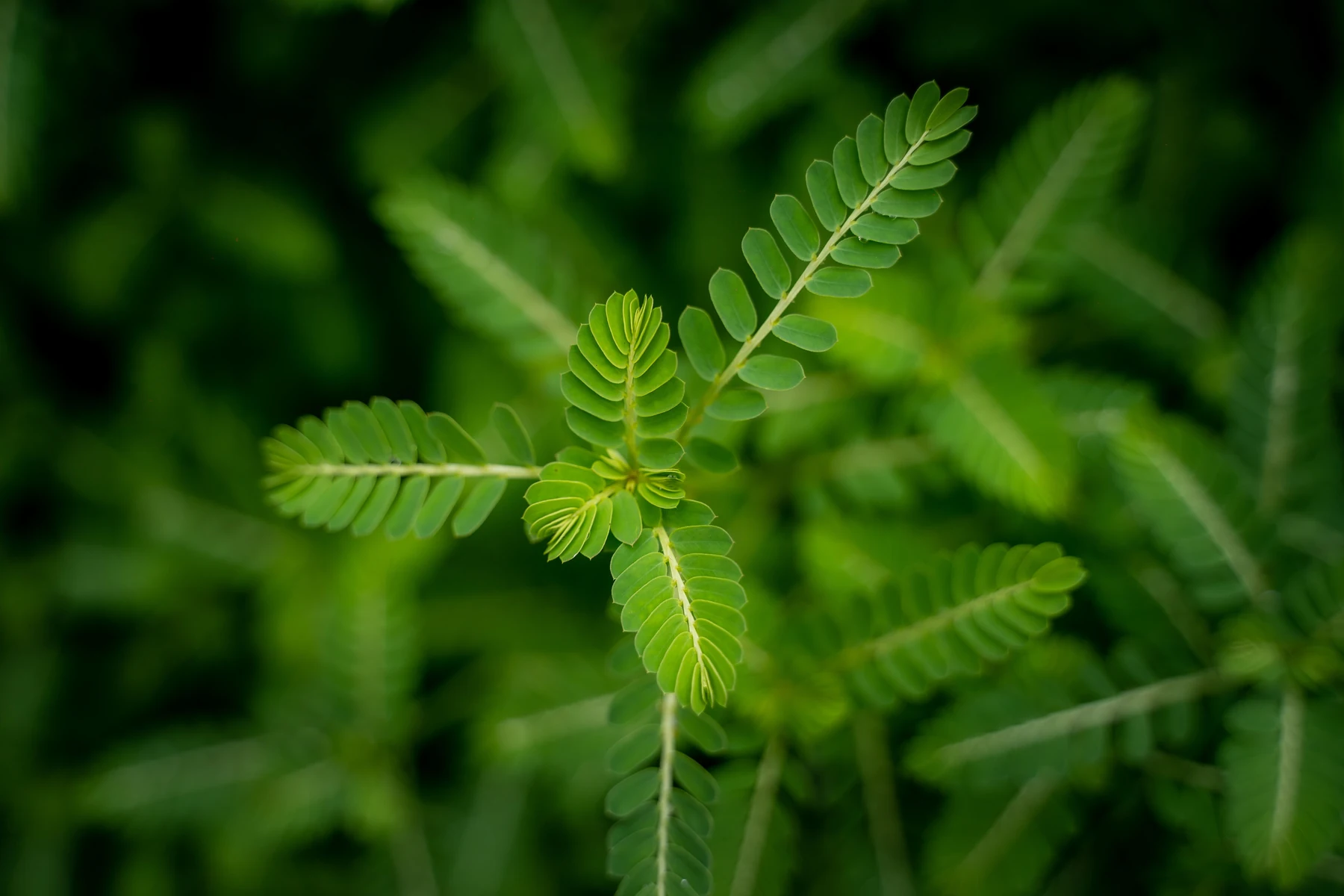
A spiny annual with a reputation that ran ahead of its evidence for thirty years. The 180-man Bulgarian trial gave six 250 mg tablets a day for twelve weeks and reported a symptom-score improvement; the Brazilian trial gave 800 mg a day and reported nothing. The claim that follows it around is the one to drop: the study that measured the androgen profile directly found no influence on it in young men.
Horny Goat Weed Extract
Epimedium species, leaf; icariin is the markerLast name under the 82 mg line; no human trial for this useEpimedium is where the sildenafil comparison in this category comes from, and the comparison does not survive reading the paper. The potency study measured icariin against human phosphodiesterase-5 at an IC50 of 5.9 microM. A synthetic derivative the same laboratory built came in at 75 nM and merely drew level with sildenafil at 74 nM. The human pharmacokinetic work exists but was not a trial of any outcome. So: a test tube, a molecule that is not this one, and no human result.
Are all nine VigorHorse ingredients botanicals?
Seven plants, one alkaloid and one amino acid, which is not the same as nine botanicals.
The seller's bonus blurb describes nine botanicals inside the jar. Seven of the nine are plant material. Caffeine is a purified alkaloid, and L-arginine is an amino acid manufactured by fermentation. Both are perfectly ordinary supplement ingredients; neither is a botanical.
| What it is | Names on the blend line | Why the distinction matters |
|---|---|---|
| Plant extracts | Muira puama, maca, catuaba, green tea, ashwagandha, tribulus, horny goat weed | An extract's strength depends on the ratio behind the word, which no label in this category prints. |
| A purified compound | Caffeine | It has a milligram figure on the panel because it can have one. Purity is why the 5 mg means something. |
| An amino acid | L-Arginine | Measured in grams in every trial and supplied in grams by ordinary protein, which is what makes its place on a small blend line worth noticing. |
Seven, one and one. The count is worth correcting because a buyer comparing this jar with a nine-botanical competitor is comparing two different things.
“Extract” appears five times on this line and never with a ratio. A 5:1 and a 50:1 extract can weigh the same and differ tenfold in what they carry.
Which species and plant parts does the VigorHorse panel name?
Seven botanical entries, one printed species, and the two places that gap matters.
| Name on the line | Species the panel names | What the research used |
|---|---|---|
| Muira Puama Extract | None printed | Ptychopetalum olacoides, root and bark, in the chemistry work |
| Maca Extract | None printed | Lepidium meyenii root, powdered or gelatinised |
| Catuaba Extract | None printed | Two unrelated species are sold under the name, and a commercial survey found most samples were neither |
| Green Tea Extract | None printed | Camellia sinensis leaf, standardised to a stated EGCG percentage in the safety literature |
| Ashwagandha | None printed | Withania somnifera root extract in the trials; leaf preparations are a separate thing |
| Tribulus Terrestris | Genus and species, in full | Tribulus terrestris, standardised to saponins in the trial that reported a result |
| Horny Goat Weed Extract | None printed | Epimedium species, with icariin as the marker compound |
One of the seven botanical entries names its species. That is ordinary for this category and it is still the thing that decides whether a name can be looked up.
Catuaba is the entry where this costs the reader most. Two unrelated Brazilian trees share the trade name, they carry different chemistry, and the survey that went looking found most commercial samples matched neither. A species line would settle it in three words, and an extract ratio beside it would settle the strength.
How much of each ingredient is in a VigorHorse gummy?
One printed total, three ways of dividing it, and the trial amounts beside each.
Nobody outside the manufacturer can answer that, and the arithmetic of why is short. The blend totals 82 mg. Caffeine takes 5 mg of it and is named. That leaves 77 mg for eight names, in proportions the maker chose and the panel does not give.
| If the remaining 77 mg were split | Each name would carry | Against a trial amount |
|---|---|---|
| Evenly, eight ways | about 9.6 mg | Ashwagandha's stress trial used 240 mg, twenty-five times that |
| Weighted to the first three names | perhaps 20–25 mg each | Maca's desire trial used 1,500 mg, sixty times that |
| Weighted to one name | up to 77 mg | L-arginine's crossover used 5,000 mg, sixty-five times that |
Three readings of the same printed total. All three are arithmetic rather than measurement, and the panel is what makes the arithmetic possible at all.
The smallest single-ingredient amount that has ever produced a result in a controlled trial of any of these nine is the 675 mg of ashwagandha root extract in the fertility pilot. That is eight times the whole blend, before it is shared with eight other names. Petre and colleagues analysed marketed products in this field and placed eight in ten in a no-expected-efficacy band, precisely because their blends carry named ingredients at amounts far under the researched ones.
What the jar does have is a printed panel, a named facility, a lot code, one disclosed ingredient amount and a 60-day window. In a category whose documented hazard is adulteration with prescription analogues, that combination is worth more than it sounds.
What else is inside a VigorHorse gummy?
Eight entries, three of which are sugar and one of which answers the gelatin question.
Eight lines under the panel account for the sweet the actives ride in: corn syrup, cane sugar, water, apple pectin, sorbitol liquid, natural flavors, citric acid and sodium citrate dihydrate.
Corn syrup, cane sugar and sorbitol, the sweet base
Three sugars doing one job: bulk, taste and texture. Together they are the 3 g of added sugar the panel prints, which is 6 per cent of a daily value and about three-quarters of a teaspoon. At one gummy a day that is a small number; it is still a number, and it belongs to somebody counting them.
Apple pectin, the set
Pectin is the fruit-derived gelling agent that makes this a plant-set gummy rather than a gelatin one. That is a genuine answer to a question this category usually ducks: the jar sets with fruit fibre, so the shell is not an animal product.
Citric acid, sodium citrate and water, the rest
A buffer pair and the carrier the batch is cooked in. The acid sharpens the flavour and holds the pectin gel at the pH it needs, the citrate salt keeps that pH steady across a shelf life, and together they explain the 4 mg of sodium on the panel.
VigorHorse ingredient questions
How many ingredients are in VigorHorse?
Nine actives, printed as nine names under one blend line, plus eight inactive lines beneath the panel. The seller's own product graphic features six of the nine, so it is the panel rather than the artwork that governs.
Is there a proprietary blend in VigorHorse?
Yes, and it is the whole active formula. The panel prints one line, “Proprietary Blend 82 mg”, with nine names under it and a single amount broken out: 5 mg of caffeine.
Which name carries the largest amount?
The panel does not say. The order of the nine names is conventionally the order of descending weight, which would put muira puama first and horny goat weed last, but that convention is not a declaration and nothing on the jar confirms it.
Does VigorHorse contain gelatin?
No. The gummy is set with apple pectin, which is fruit-derived, and gelatin appears nowhere on the label. That makes the shell itself plant-based, though the jar carries no vegan certification.
How much caffeine is in one VigorHorse gummy?
5 mg, printed on the panel beside the green tea entry. A five-ounce cup of ground roasted coffee is about 85 mg, so one gummy is roughly a seventeenth of a cup.
Is VigorHorse standardised to any marker compound?
Not on the printed label. Tribulus is the one entry given as a full species name; no entry carries an extract ratio or a marker percentage, which is ordinary for this category and is the main thing a stronger panel would add.
Sources behind the VigorHorse ingredient list
Every study named above, grouped in the order the blend line prints the name it belongs to.
- Waynberg J, Brewer S. Effects of Herbal vX on libido and sexual activity in premenopausal and postmenopausal women. Adv Ther. 2000;17(5):255-62. PMID 11186145. https://pubmed.ncbi.nlm.nih.gov/11186145/
- Tian X, Guo S, He K, et al. Qualitative and quantitative analysis of chemical constituents of Ptychopetalum olacoides Benth. Nat Prod Res. 2018;32(3):354-357. PMID 28750557. https://pubmed.ncbi.nlm.nih.gov/28750557/
- Gonzales GF, Cordova A, Vega K, et al. Effect of Lepidium meyenii (MACA) on sexual desire and its absent relationship with serum testosterone levels in adult healthy men. Andrologia. 2002;34(6):367-72. PMID 12472620. https://pubmed.ncbi.nlm.nih.gov/12472620/
- Shin BC, Lee MS, Yang EJ, et al. Maca (L. meyenii) for improving sexual function: a systematic review. BMC Complement Altern Med. 2010;10:44. PMID 20691074. https://pubmed.ncbi.nlm.nih.gov/20691074/
- Kletter C, Glasl S, Presser A, et al. Morphological, chemical and functional analysis of catuaba preparations. Planta Med. 2004;70(10):993-1000. PMID 15490329. https://pubmed.ncbi.nlm.nih.gov/15490329/
- Antunes E, Gordo WM, de Oliveira JF, et al. The relaxation of isolated rabbit corpus cavernosum by the herbal medicine Catuama and its constituents. Phytother Res. 2001;15(5):416-21. PMID 11507734. https://pubmed.ncbi.nlm.nih.gov/11507734/
- Oketch-Rabah HA, Roe AL, Rider CV, et al. United States Pharmacopeia (USP) comprehensive review of the hepatotoxicity of green tea extracts. Toxicol Rep. 2020;7:386-402. PMID 32140423. https://pubmed.ncbi.nlm.nih.gov/32140423/
- Barone JJ, Roberts HR. Caffeine consumption. Food Chem Toxicol. 1996;34(1):119-29. PMID 8603790. https://pubmed.ncbi.nlm.nih.gov/8603790/
- Nawrot P, Jordan S, Eastwood J, et al. Effects of caffeine on human health. Food Addit Contam. 2003;20(1):1-30. PMID 12519715. https://pubmed.ncbi.nlm.nih.gov/12519715/
- Ambiye VR, Langade D, Dongre S, et al. Clinical Evaluation of the Spermatogenic Activity of the Root Extract of Ashwagandha (Withania somnifera) in Oligospermic Males: A Pilot Study. Evid Based Complement Alternat Med. 2013;2013:571420. PMID 24371462. https://pubmed.ncbi.nlm.nih.gov/24371462/
- Lopresti AL, Smith SJ, Malvi H, et al. An investigation into the stress-relieving and pharmacological actions of an ashwagandha (Withania somnifera) extract: A randomized, double-blind, placebo-controlled study. Medicine (Baltimore). 2019;98(37):e17186. PMID 31517876. https://pubmed.ncbi.nlm.nih.gov/31517876/
- Arumugam V, Vijayakumar V, Balakrishnan A, et al. Effects of Ashwagandha (Withania Somnifera) on stress and anxiety: A systematic review and meta-analysis. Explore (NY). 2024;20(6):103062. PMID 39348746. https://pubmed.ncbi.nlm.nih.gov/39348746/
- Chen J, Wollman Y, Chernichovsky T, et al. Effect of oral administration of high-dose nitric oxide donor L-arginine in men with organic erectile dysfunction: results of a double-blind, randomized, placebo-controlled study. BJU Int. 1999;83(3):269-73. PMID 10233492. https://pubmed.ncbi.nlm.nih.gov/10233492/
- Rhim HC, Kim MS, Park YJ, et al. The Potential Role of Arginine Supplements on Erectile Dysfunction: A Systemic Review and Meta-Analysis. J Sex Med. 2019;16(2):223-234. PMID 30770070. https://pubmed.ncbi.nlm.nih.gov/30770070/
- Kamenov Z, Fileva S, Kalinov K, et al. Evaluation of the efficacy and safety of Tribulus terrestris in male sexual dysfunction - A prospective, randomized, double-blind, placebo-controlled clinical trial. Maturitas. 2017;99:20-26. PMID 28364864. https://pubmed.ncbi.nlm.nih.gov/28364864/
- Santos CA Jr, Reis LO, Destro-Saade R, et al. Tribulus terrestris versus placebo in the treatment of erectile dysfunction: A prospective, randomized, double blind study. Actas Urol Esp. 2014;38(4):244-8. PMID 24630840. https://pubmed.ncbi.nlm.nih.gov/24630840/
- Neychev VK, Mitev VI. The aphrodisiac herb Tribulus terrestris does not influence the androgen production in young men. J Ethnopharmacol. 2005;101(1-3):319-23. PMID 15994038. https://pubmed.ncbi.nlm.nih.gov/15994038/
- Dell'Agli M, Galli GV, Dal Cero E, et al. Potent inhibition of human phosphodiesterase-5 by icariin derivatives. J Nat Prod. 2008;71(9):1513-7. PMID 18778098. https://pubmed.ncbi.nlm.nih.gov/18778098/
- Teo YL, Cheong WF, Cazenave-Gassiot A, et al. Pharmacokinetics of Prenylflavonoids following Oral Ingestion of Standardized Epimedium Extract in Humans. Planta Med. 2019;85(4):347-355. PMID 30522143. https://pubmed.ncbi.nlm.nih.gov/30522143/
- Petre GC, Francini-Pesenti F, Vitagliano A, et al. Dietary Supplements for Erectile Dysfunction: Analysis of Marketed Products, Systematic Review, Meta-Analysis and Rational Use. Nutrients. 2023;15(17):3677. PMID 37686709. https://pubmed.ncbi.nlm.nih.gov/37686709/
- Campbell N, Clark JP, Stecher VJ, et al. Adulteration of purported herbal and natural sexual performance enhancement dietary supplements with synthetic phosphodiesterase type 5 inhibitors. J Sex Med. 2013;10(7):1842-9. PMID 23634714. https://pubmed.ncbi.nlm.nih.gov/23634714/
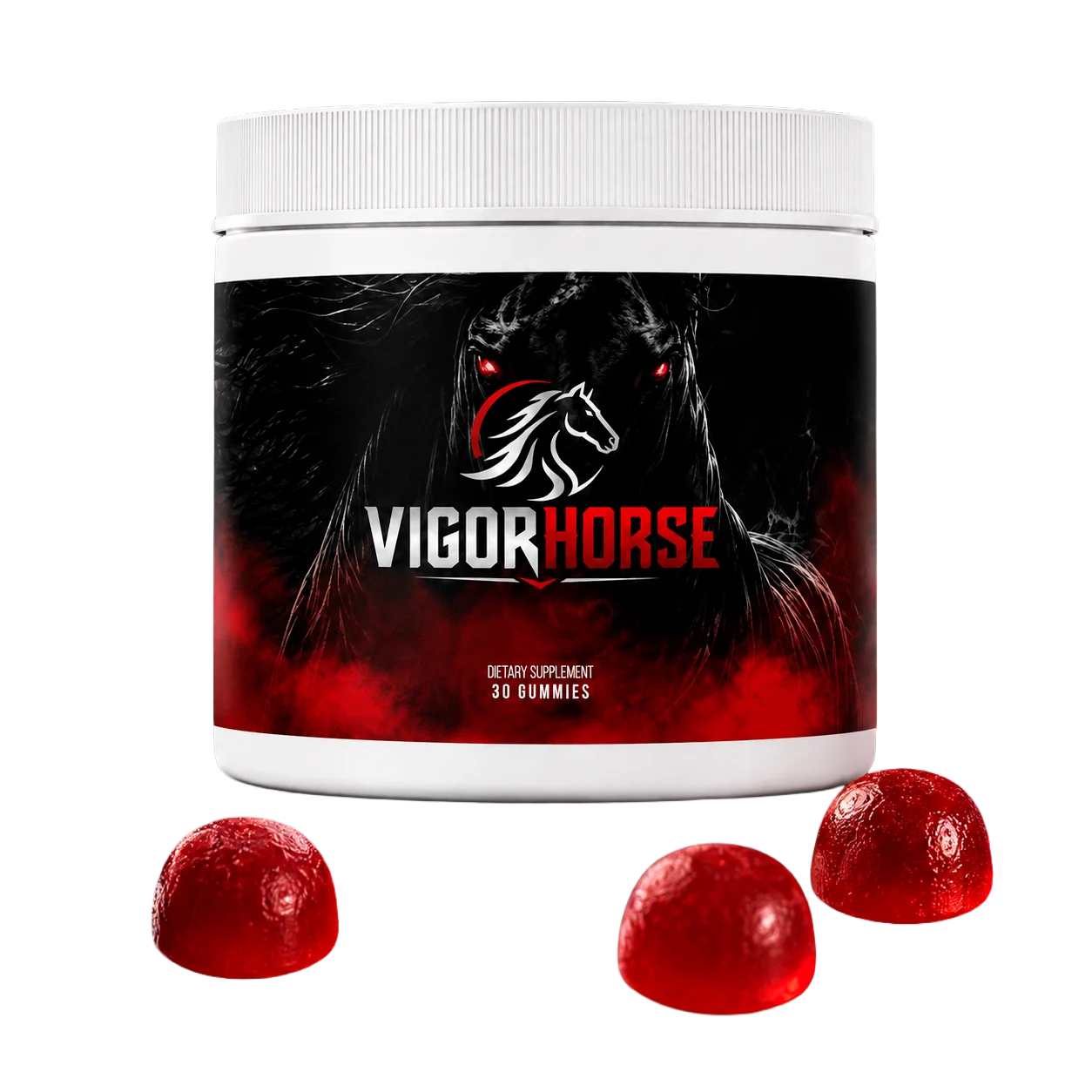
Order VigorHorse with the whole blend line in front of you
Nine names, one printed total, 30 gummies to a jar and 60 days from the date of purchase to change your mind.
One bottle $89 · six bottles $294 · 60-day money-back guarantee
Order VigorHorse On The Official WebsiteOne gummy a day · 30 per jar · lot VIG-26/GO-6654