VigorHorse Official Website › Blog › Muira Puama And The Missing Trial
Muira Puama And The Missing Human Trial
Muira puama is sold as “potency wood,” a traditional Amazonian aphrodisiac. Run that specific claim through PubMed and the trial that would support it — muira puama alone, given to men, with libido or erectile function as the outcome — is not there. What is there is real, it just measures something else.
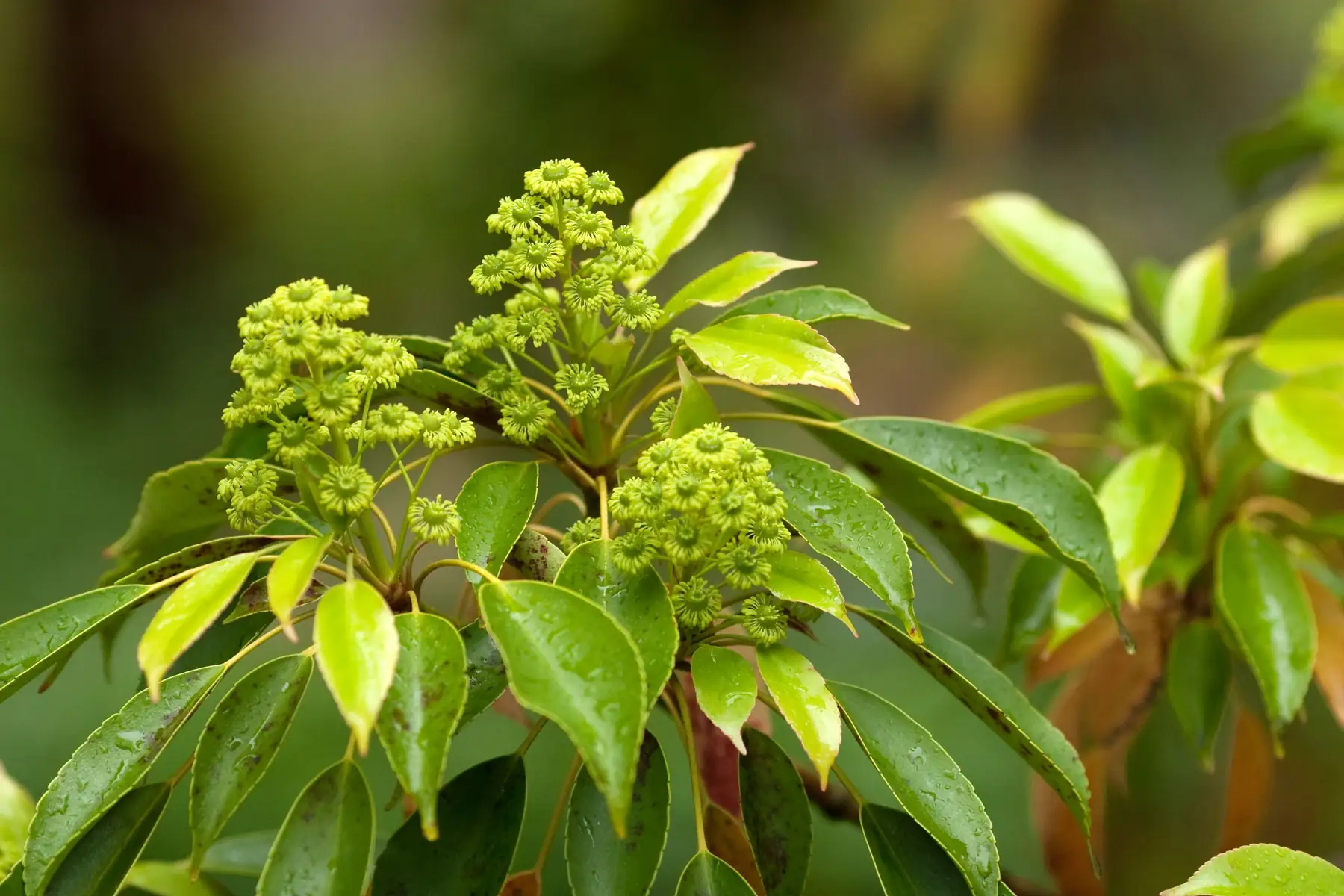
- The commercial claim is libido and male vitality. The only research program that exists for muira puama on its own tested memory in mice, five studies deep, from a single Brazilian laboratory.
- One 2018 study looked at an erectile-relevant cell pathway, but it tested muira puama as one of four ingredients in a combination product, in cultured rat tissue, not as a standalone dose in a living subject.
- A 2026 clinical paper is the only one with real human data, and it studied a five-ingredient combination for prostate-related urinary symptoms in older men, not for libido, using a retrospective, non-randomised design.
- No search run against PubMed's own database turned up a trial that isolated muira puama and measured a sexual outcome in humans. If one exists, it was not found.
- This is not a claim that muira puama does nothing. It is a claim that the specific evidence usually implied by the marketing has not been run yet.
What a direct search for the claim turns up
The way to check a supplement claim is to search for the exact thing being claimed, not for the ingredient in general. For muira puama the claim is specific: a traditional aphrodisiac that supports libido and male vitality. The direct search is muira puama plus sexual function, muira puama plus libido, muira puama plus erectile.
Run that search against PubMed's own database and the results are thin and specific. Nine records mention muira puama alongside anything sexual, and reading through them, none is a controlled human trial that gave muira puama alone to men and measured a sexual outcome. Two are review articles that mention muira puama in passing among other traditional aphrodisiacs. The rest are the mouse memory studies described below, plus the two papers examined in detail further down this page.
What actually exists: five mouse studies
What does exist, consistently, is a program of rodent cognition research from one laboratory at the Federal University of Rio Grande do Sul in Brazil, using a standardized ethanol extract the papers call POEE.
| Study | Year | What was tested | What was found |
|---|---|---|---|
| Siqueira and colleagues | 2003 | Acetylcholinesterase activity, rat brain tissue | Dose- and time-dependent enzyme inhibition |
| da Silva and colleagues | 2004 | Memory retrieval, young and aging mice | Improved retrieval at 50–1000 mg/kg depending on route |
| da Silva and colleagues | 2007 | Short-term and object-recognition memory, mice | Both memory types improved |
| da Silva and colleagues | 2008 | Serotonin receptor mechanism, mice | 5-HT2A blockade increased the effect |
| da Silva and colleagues | 2009 | Drug-induced amnesia, mice | Reversed both MK801- and scopolamine-induced memory loss |
Every dose in this table is milligrams per kilogram, given to a mouse, by injection or by mouth. None is a human figure, and none touches a sexual or libido endpoint.
This is legitimate science. It is just answering a different question than the one printed on a vitality label. The traditional use behind muira puama covers both virility and general age-related tonic effects, and the modern research picked up only the second thread.
The closest thing to an erectile study, and its design
Exactly one paper connects muira puama to an erectile-relevant biological pathway, and its design matters more than its headline.
Ferrini and colleagues (2018) studied COMP-4, a combination of ginger, guarana, muira puama, and l-citrulline, in a culture of rat corporal smooth-muscle cells. The goal was mechanistic: work out how COMP-4, already shown in a separate feeding study to improve erectile function in aged rats, acts on the nitric oxide signalling pathway.
| Detail | What the study actually did |
|---|---|
| Subject | Cultured smooth-muscle cells from rat penile tissue, not a living animal or a person |
| Muira puama's dose | 0.9 mg/mL applied directly to the cell culture, alone and as part of COMP-4 |
| Result for the full combination | Largest effect on cGMP, sGC, iNOS and PDE5 markers of any condition tested |
| Result for muira puama alone | Smaller effect than the full four-ingredient combination |
The study's own comparison found the mixture outperformed any single ingredient. That is evidence for COMP-4, not standalone evidence for muira puama.
The 2026 clinical paper, read against its own endpoints
The one paper with actual human data is the most recent, and it is worth reading slowly, because a headline like “preclinical and clinical evidence” can sound like more than it is.
Chiavaroli and colleagues (2026) tested Oxyfil, a five-ingredient supplement (willowherb, muira puama, ginkgo, horsetail, and citrulline), on isolated mouse prostate tissue and then in a retrospective clinical review of 59 men being treated for lower urinary tract symptoms from an enlarged prostate. Most of those men were taking a prescription drug alongside the supplement, and the treatment assignment was not randomised; it was left to the treating physician.
- What was measured: urinary flow rate and prostate symptom scores, in men with a diagnosed enlarged prostate.
- What was not measured: libido, sexual desire, or erectile function as a primary outcome.
- How muira puama's own contribution was isolated: it was not. Five ingredients were given together and only the combined product was assessed.
- Study design: retrospective and non-randomised, a materially weaker design than a placebo-controlled trial.
This is a real 2026 paper, and it is a genuinely positive result for the specific combination product, in the specific population of men it studied, for the specific problem of urinary symptoms. None of that transfers to a libido claim, and none of it isolates muira puama.
Where muira puama sits on the VigorHorse label
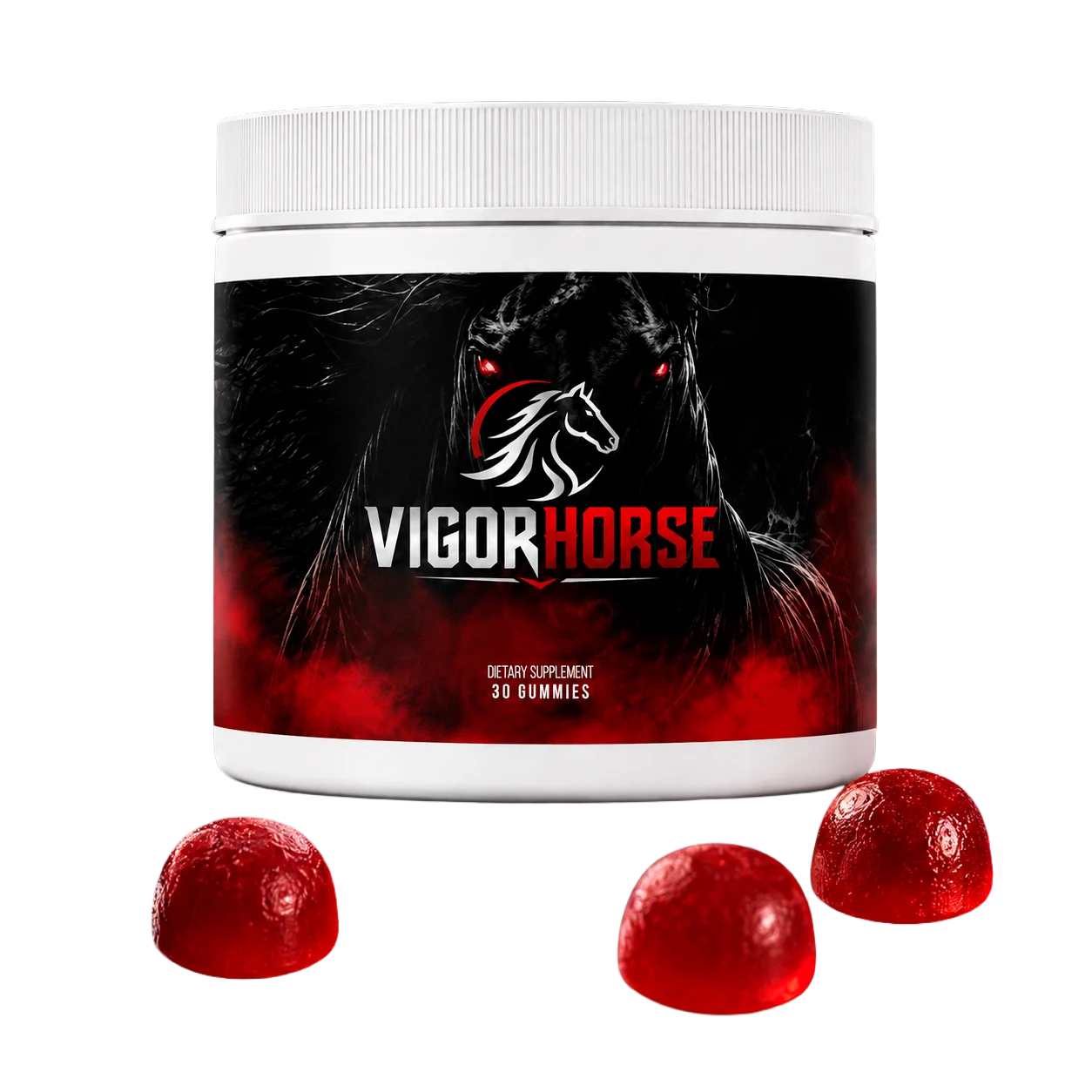
First of 9 names on a single 82 mg blend line, the largest individual share of that total by rank, with no amount of its own printed.
One bottle $89 · six bottles $294 · 60-day money-back guarantee
Order VigorHorse On The Official WebsiteOne gummy a day · 30 per jar · lot VIG-26/GO-6654
Why "singly or in combination" is not the same test
Both papers that touch an erectile-relevant pathway share the same limitation, and it is worth naming precisely because it is a common pattern across this entire product category, not just this one ingredient.
When a study tests ingredient A alone, ingredient B alone, and A-plus-B together, and reports that A-plus-B produced the largest effect, that is evidence the combination works. It is not evidence that A works on its own, unless the paper also shows A alone produced a comparable effect to A-plus-B, which neither of these two studies reports. The Ferrini study explicitly found the opposite: the combination beat every single ingredient tested alone. The Chiavaroli study did not test ingredients separately at all.
A marketing sentence that says “studied in clinical and preclinical research” is not false when it points at these two papers. It is incomplete, because neither paper supports the specific, standalone claim usually attached to muira puama on a vitality label.
First of 9 names, and the ceiling that sits above it
VigorHorse's own panel lists muira puama first among the nine names in its proprietary blend: Muira Puama Extract, Maca Extract, Catuaba Extract, Green Tea Extract, Caffeine (5 mg), Ashwagandha, L-Arginine, Tribulus Terrestris, Horny Goat Weed Extract, totalling 82 mg. Descending order of predominance means muira puama is present in the largest individual amount of the nine, which is real, if bounded, information.
It is bounded because the whole blend, everything included, tops out at 82 mg, footnoted as roughly equivalent to 567 mg of dry powders. Caffeine is the one figure broken out at 5 mg. Nothing on the panel converts a rank into a milligram amount for muira puama itself, and none of the rodent studies above report a human-equivalent dose in the first place. Being first on the list and being present at a research-relevant amount are two different claims, and the label only supports the first one.
The honest verdict
- The memory research is real, specific, and consistent across five studies from one laboratory, with a plausible receptor-level mechanism.
- The erectile-pathway research exists but does not isolate muira puama; its own data shows the combination outperforming any single ingredient.
- The 2026 clinical paper is real human data for a different population and a different outcome than the one printed on a vitality label.
- A direct search for the marketed claim does not return a matching trial. That is the gap this page set out to check, and it is still open.
None of this is a reason to write muira puama off. It is a reason to describe it accurately: a traditionally used root with a real, mechanistically grounded record in rodent memory research, and no published human trial yet that tests the specific claim it is sold on.
For a reader deciding what to do with that gap, the practical options are narrow. Somebody who wants the traditionally described vitality effect can treat the traditional-use record as what it is, a centuries-old observation that has not yet been tested the way a modern trial would test it, and decide accordingly. Somebody who wants the tested effect, the cognitive one, is better served reading the mouse literature above on its own terms than reading it as indirect proof of something else. Either way, the label claim and the citation behind it are two different things, and this page exists so a reader does not have to take that on faith.
References
- Siqueira IR, Fochesatto C, da Silva AL, et al. Ptychopetalum olacoides, a traditional Amazonian "nerve tonic", possesses anticholinesterase activity. Pharmacol Biochem Behav. 2003;75(3):645-650. PMID 12895682. https://pubmed.ncbi.nlm.nih.gov/12895682/
- da Silva AL, Piato AL, Bardini S, et al. Memory retrieval improvement by Ptychopetalum olacoides in young and aging mice. J Ethnopharmacol. 2004;95(2-3):199-203. PMID 15507336. https://pubmed.ncbi.nlm.nih.gov/15507336/
- da Silva AL, Piato AL, Ferreira JG, et al. Promnesic effects of Ptychopetalum olacoides in aversive and non-aversive learning paradigms. J Ethnopharmacol. 2007;109(3):449-457. PMID 17023132. https://pubmed.ncbi.nlm.nih.gov/17023132/
- da Silva AL, Ferreira JG, da Silva Martins B, et al. Serotonin receptors contribute to the promnesic effects of P. olacoides (Marapuama). Physiol Behav. 2008;95(1-2):88-92. PMID 18561960. https://pubmed.ncbi.nlm.nih.gov/18561960/
- da Silva AL, Silva Martins Bd, Linck VM, et al. MK801- and scopolamine-induced amnesias are reversed by an Amazonian herbal locally used as a "brain tonic". Psychopharmacology (Berl). 2009;202(1-3):165-172. PMID 18695930. https://pubmed.ncbi.nlm.nih.gov/18695930/
- Ferrini MG, Garcia E, Abraham A, Artaza JN, Nguyen S, Rajfer J. Effect of ginger, Paullinia cupana, muira puama and l-citrulline, singly or in combination, on modulation of the inducible nitric oxide-NO-cGMP pathway in rat penile smooth muscle cells. Nitric Oxide. 2018;76:81-86. PMID 29551532. https://pubmed.ncbi.nlm.nih.gov/29551532/
- Chiavaroli A, Acquaviva A, Simone SCD, et al. Protective Effects Induced by a Novel Food Supplement Based on Epilobium angustifolium, Ptychopetalum olacoides, Ginkgo biloba, and Equisetum arvense Extracts and Citrulline in the Lower Urinary Tract: Preclinical and Clinical Evidence. Phytother Res. 2026 Sep 1. Online ahead of print. PMID 42680212. https://pubmed.ncbi.nlm.nih.gov/42680212/